The pelvic floor, the muscle that holds you together
You can't see it and you rarely think about it. Yet the pelvic floor works all day, every time you cough, lift or laugh. Here is what it does and how to tell when it needs training.

Where is it?
The pelvic floor is a group of muscles that sits like a bowl at the bottom of the pelvis. It stretches from the pubic bone at the front to the tailbone at the back, and between the sitting bones at the sides.
The urethra and the rectum pass through the muscle, and in women the vagina too. Both women and men have a pelvic floor, and it works in much the same way.
What it does
- Holds in urine and stool until you are ready.
- Supports the bladder, the bowel and, in women, the uterus.
- Works with your abdomen and back when you lift, cough or run.
- Is part of sexual function in both women and men.
When you cough or sneeze, the pressure in your abdomen rises. A strong pelvic floor tightens automatically at the same moment and keeps you dry. A weaker muscle can't keep up, and a few drops may come out.
Why it gets weak
The pelvic floor is affected by life, just like other muscles. Common causes are:
- Pregnancy and childbirth.
- Hormonal changes in the menopause.
- Getting older.
- Heavy lifting and a lot of jumping or running.
- Long-term constipation and straining on the toilet.
- A persistent cough, for example from asthma or smoking.
- Being overweight.
- Prostate surgery in men.
A pelvic floor can also be too tense. That can cause pain, difficulty emptying the bladder or pain during sex. So it helps to get support in understanding what your own body needs.
Signs that it needs training
- You leak when you cough, sneeze, jump or laugh.
- You don't always make it to the toilet in time.
- You pee often and a little at a time.
- You feel heaviness or pressure down below.
- It dribbles after you have finished peeing.
- You have less sensation during sex than before.
How to train it
The foundation is Kegel exercises. You tighten the muscles around the urethra and rectum, lift inwards and upwards, hold for a moment and let go completely. Many people find it hard to know if they are doing it right.
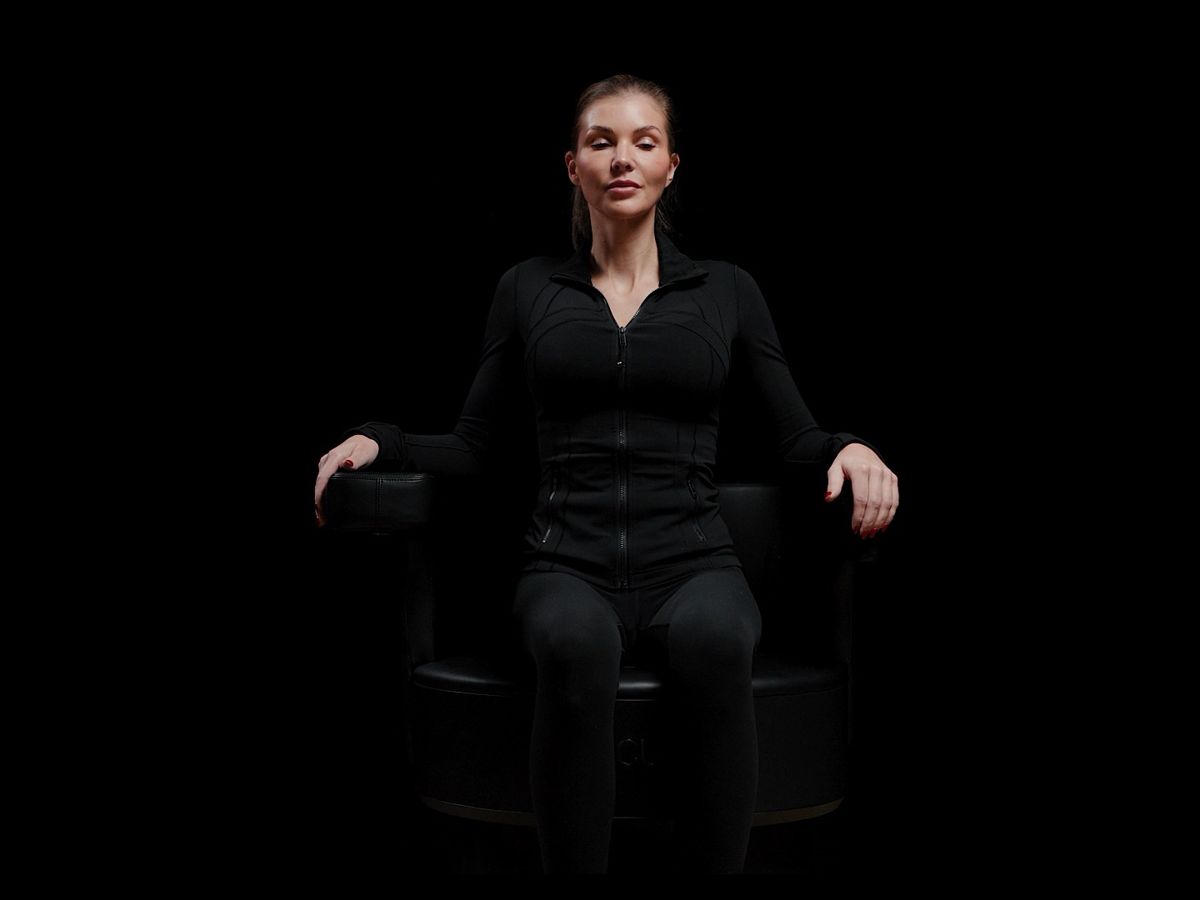
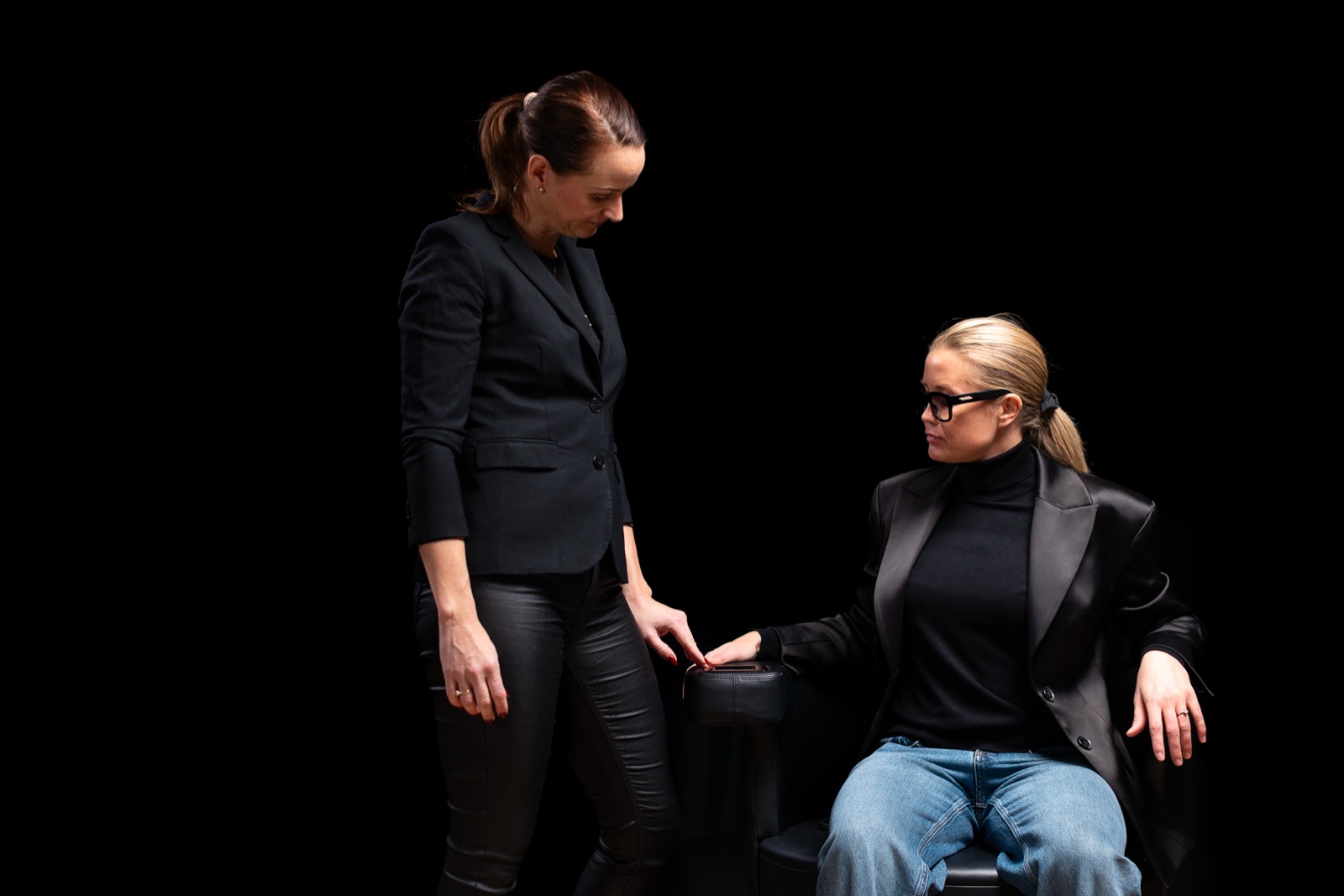
Another way is to train in a chair with an electromagnetic field. In INSCULPT Chair you sit fully clothed for about 30 minutes while the field activates the pelvic floor muscles with around 12,000 contractions per session. It can be a good complement to your own exercises.
A course is usually 10 treatments, 2 times a week. It feels like tingling and strong contractions, and the intensity is increased step by step to suit you.
When to seek care
Are your symptoms new, severe or getting worse? Talk to your doctor, a midwife or a physiotherapist who specialises in the pelvic floor. They can examine you and help you train correctly.
Always seek care if you have blood in your urine, pain, fever or suddenly cannot pee.
Want to train your pelvic floor sitting down?
Find a clinic near you in Sweden or Norway with INSCULPT Chair and book a treatment. The price is set by the clinic.