The pelvic floor in the menopause
Many people talk about hot flushes and poor sleep. Fewer talk about starting to leak, or needing to pee more often. It is linked to the same hormones.

What oestrogen does
Oestrogen helps keep the mucous membranes and connective tissue in the pelvic area thick, moist and elastic. That applies to the vagina, the urethra and the bladder. When oestrogen levels fall in the menopause, the tissue becomes thinner and drier.
At the same time, muscles throughout the body get weaker with age if they are not trained. The pelvic floor is no exception. It can show up as leakage, even if you have never had it before.
Common symptoms
- Leakage when you cough, sneeze or lift.
- Sudden, strong urges to pee.
- You pee more often, including at night.
- Dryness, stinging or chafing in the vagina.
- Pain during sex.
- More urinary tract infections than before.
- A feeling of heaviness down below.
Heaviness and prolapse
If it feels as though something is pressing down or bulging into the vagina, it may be a prolapse. This means the bladder, uterus or bowel has dropped a little. It is common after childbirth and in the menopause, and it should be examined by a doctor or midwife.
Talk to a doctor or midwife
Dryness and fragile mucous membranes can often be treated. Local vaginal oestrogen is a common option, and there are also moisturising products available without a prescription. Ask your doctor or a midwife what suits you.
Seek care if you bleed after your periods have stopped, if you have blood in your urine, pain or recurring urinary tract infections.
Everyday advice that makes a difference
- Drink steadily through the day. If you have urgency, cutting down on coffee, tea and alcohol can help.
- Squeeze before you cough, sneeze or lift.
- Do you pee often? Try to put off the toilet trip for a short while and increase slowly.
- Keep your bowels moving. Straining on the toilet puts load on the pelvic floor.
- Keep moving. Walking and strength training are good for both muscles and bones.
- Do Kegel exercises every day, ideally alongside something you already do.
Train your pelvic floor sitting down
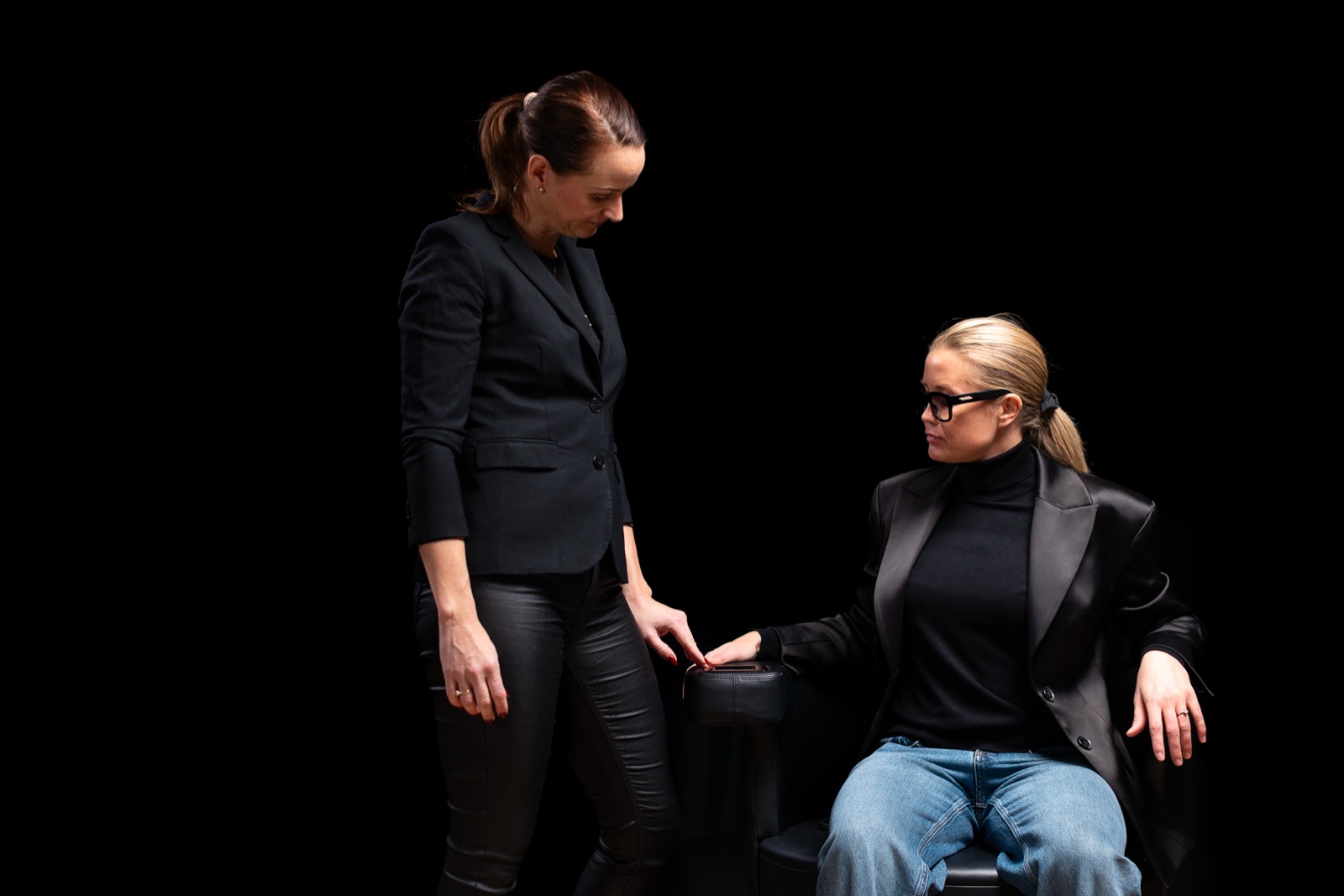
Many women in the menopause know they should do Kegel exercises but find it hard to feel the muscles. INSCULPT Chair is one way to get help with exactly that work.
You sit fully clothed for about 30 minutes while an electromagnetic field activates the pelvic floor with around 12,000 contractions. The field reaches about 10 centimetres in. It feels like tingling and strong contractions, and the intensity is increased step by step to suit you.
A course is usually 10 treatments, 2 times a week, followed by maintenance once or twice a month. The chair has programmes for leakage, for heaviness and for intimate health. The clinic helps you choose.
If you have an ongoing urinary tract infection, wait with the treatment until it has cleared. You need no recovery time afterwards and can go straight back to your day.
Give your pelvic floor some attention
Find a clinic near you in Sweden or Norway with INSCULPT Chair. The price is set by the clinic.